
industry · 1 min read
Inside Faridabad's Manufacturing Ecosystem
Production in Faridabad is layered — and understanding those layers explains how orders, pricing and capacity move through the city.
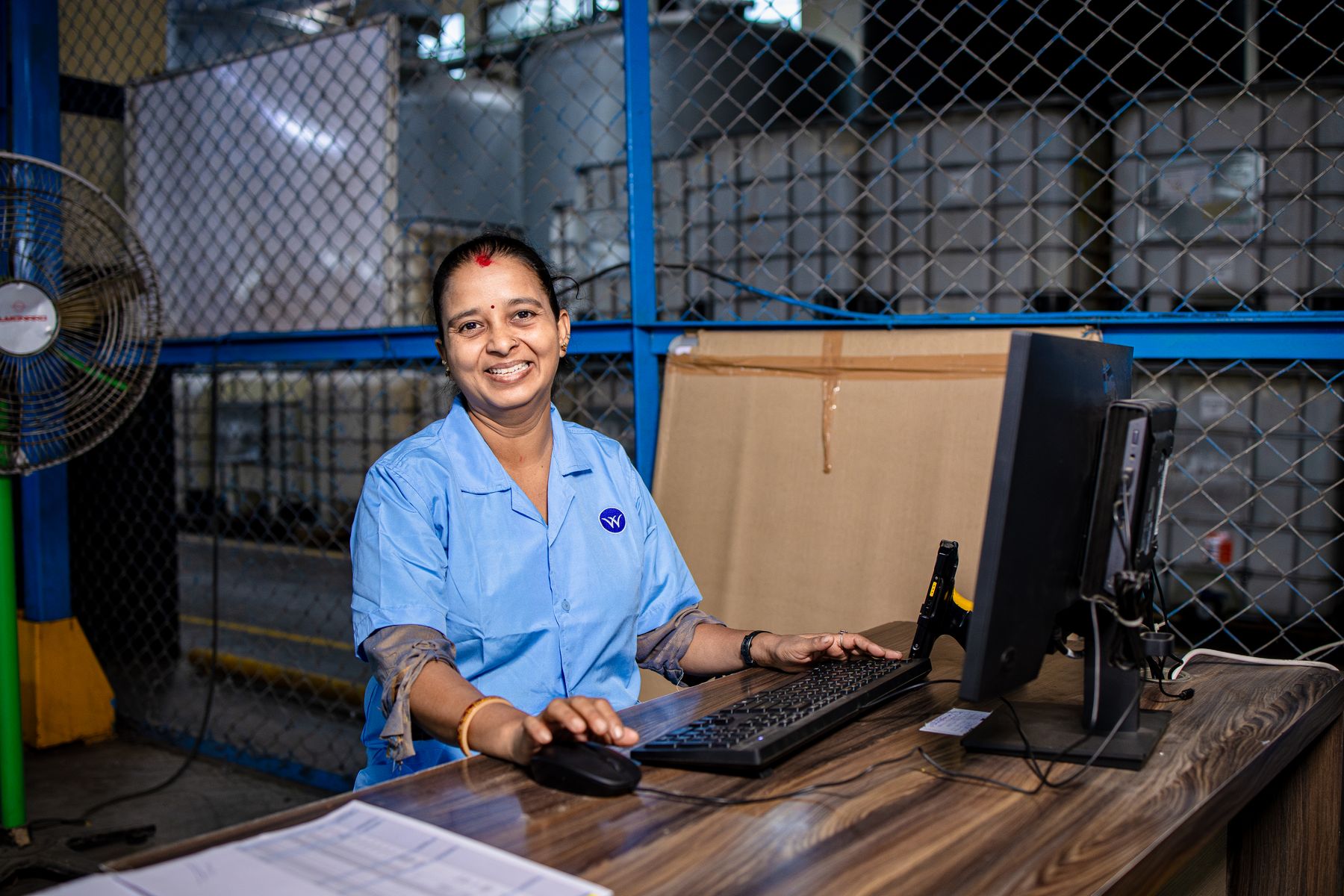
Manufacturing in Faridabad rarely happens inside a single boundary wall. A finished component may pass through a machining shop, a heat-treatment unit, a plating facility and a finishing workshop — each an independent business, often within a few kilometres of the next.
The job-work layer
Job work — processing carried out on behalf of another manufacturer — remains a defining feature of the city's industrial economy. It allows small units to stay specialised and large units to stay flexible without carrying every process in-house.
- Machining, turning and CNC operations
- Sheet metal pressing and fabrication
- Surface treatment and finishing
- Assembly and sub-assembly work
Capacity, orders and continuity
For most units, the operating challenge is continuity rather than capability. Order flow, working capital cycles and payment timelines determine whether a workshop can invest in newer machines or additional shifts.
Capability is rarely the constraint in an industrial city. Continuity of orders usually is.
Faridabad Business will continue reporting on how these supply relationships are changing as buyers consolidate vendors and compliance expectations rise.